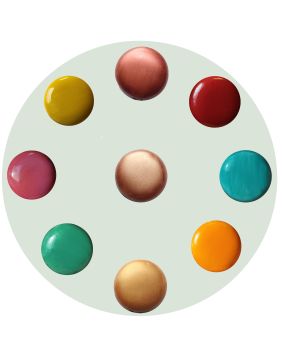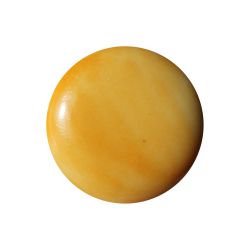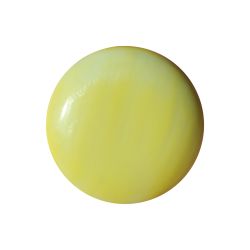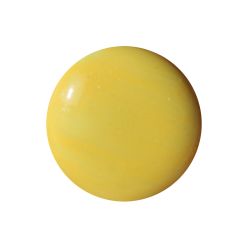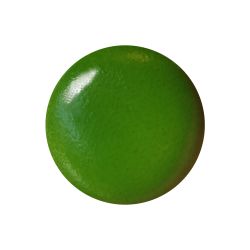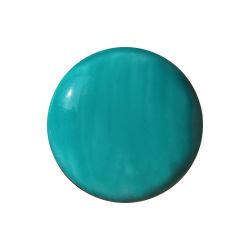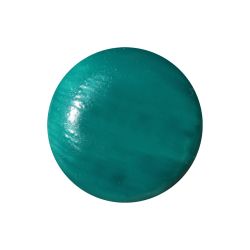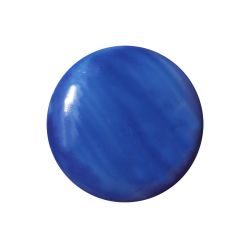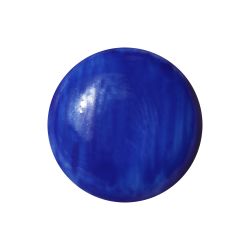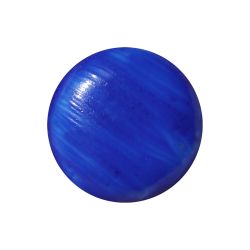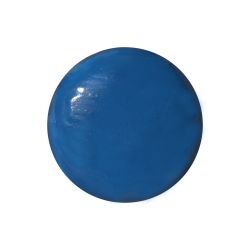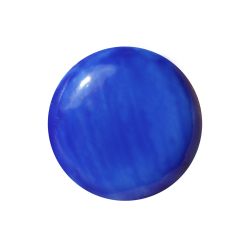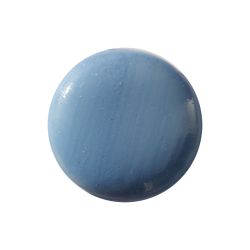
Lead Free Colours
CHARASTERISTICS
- The Schjerning porcelain colours are transparent onglaze colours
- The colour of the powder pigments doesn’t correspond in any way to the obtained colour after firing
- All colours are intermixable except the reds and the yellows they eat each other when firing and except the colours containing cadmium with classic colours
- The cadmium colours are intermixable between them, but cannot be mixed or overlayed with the classic pigments. You can use a cadmium red and a cadmium yellow to get an orange
APPLICATIONS
- The colours should be applied in a thin layer
- The colours develop between 750°C and 820°C (especially the ones based on gold, like purples and violets). Choose an average temperature of 820°C. The reds are fired less strong because they may turn brown (780°C / 800°C), the blues instead develop best at higher temperatures (850°C / 880°C)
- The Cadmium colours: for colours containing Cadmium, we recommend to fire them at max. 780°C, preferably 740°C. This means to fire once your other colours, then to apply your cadmium colours and to refire. However, if you want to fire them at the same time as your other colours, apply them in two layers allowing drying between the two layers, to avoid draw-out the first layer
- Cadmium colours are less easy-to-use; use brushes only for the cadmium colours as all residues of other colours will turn the colours into grey shades. Do not use the cadmium colours for the base coat as cadmium turns dirty grey
- Generaly, one single application plus firing is sufficent. In some cases, the colour can be strenghten by two applications with intermediate firing.